

Residential comfort and energy performance
Residential radiant heating: lasting comfort without visual clutter
Heating a home is not only a matter of degrees. It is about daily comfort, quality of life and rooms that remain pleasant to use even in the middle of winter. Radiant heating appeals to households looking for stable comfort, discreet integration and a more measured use of energy.
Heat that starts from the floor
Radiant floor heating works from the bottom up, where the body feels comfort most naturally. Unlike traditional radiators that create columns of warm air, a heated floor spreads soft and even warmth through the room.
Cold zones are reduced, temperature differences become less noticeable and there is no forced air movement. For people sensitive to dust or respiratory allergens, this calmer air circulation can be a real advantage.
The bathroom becomes properly comfortable
Bathrooms often combine cold tiles, humidity and a sharp feeling of freshness after a shower. Wall-mounted radiant panels are particularly well suited to this space because they warm surfaces and people quickly.
A well-heated bathroom dries faster, helps limit persistent humidity and contributes to better everyday hygiene. Comfort is felt immediately, without having to overheat the whole home.
Room-by-room heating: the freedom of zoning
Centralised systems can lack flexibility. Keeping the same temperature everywhere, whatever the use of each room, often wastes energy.
Zoned radiant heating makes it possible to manage a bedroom, office, living room or playroom independently. Each area can follow its own schedule, which makes comfort easier to control and energy use easier to understand.
Energy efficiency as a long-term argument
Radiant heating transfers energy to surfaces and occupants rather than relying mainly on a volume of air. With good insulation and intelligent controls, the same comfort can often be maintained at a lower set temperature.
A difference of one or two degrees may seem small, but over several winters it can have a real impact on consumption and running costs.
Architectural discretion: heating that disappears
Integrated radiant systems can be almost invisible. Installed in the floor, wall or ceiling, they free the room from visible appliances and make furniture placement easier.
Heating becomes part of the building itself rather than an object added to the interior. This is especially valuable in homes where design, space and visual calm matter.
An investment designed for the long term
A radiant system usually requires a higher initial investment than a basic heater. The value is built over time through daily comfort, controlled energy use and the quality it adds to the property.
With few complex mechanical parts and limited maintenance needs, a well-designed radiant installation can remain relevant for decades.
Integration advice
Before choosing a system, review insulation, floor coverings, room usage and available control options. The best residential result comes from matching the radiant solution to the building, not from treating every room in the same way.

Far Infrared Heating • 3200W • Integrated IoT • Off-White Finish HEATSTRIP…

Far Infrared Heating • 3200W • IoT (Wi-Fi/Bluetooth) • IP55 Protection HEA…
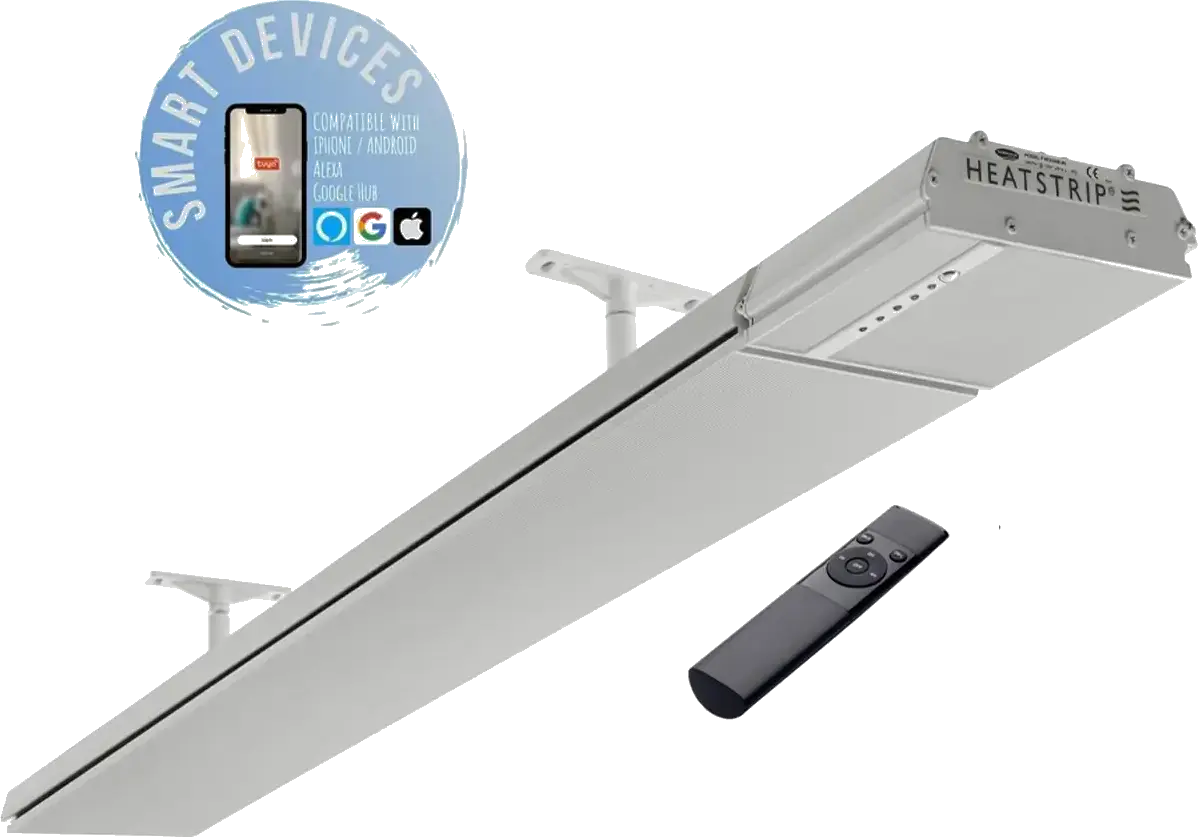
Far Infrared Heating • 2400W • Integrated IoT • Off-White Finish HEATSTRIP…
Infrared Heating • Slim Line Format • 2400W • Remote-Control Interface Hea…

Premium Infrared Heating • Design & Performance • 3000W Heatscope® Pure Al…

Premium infrared heater • Integration & discretion • 3000WHeatscope® Pure White:…